
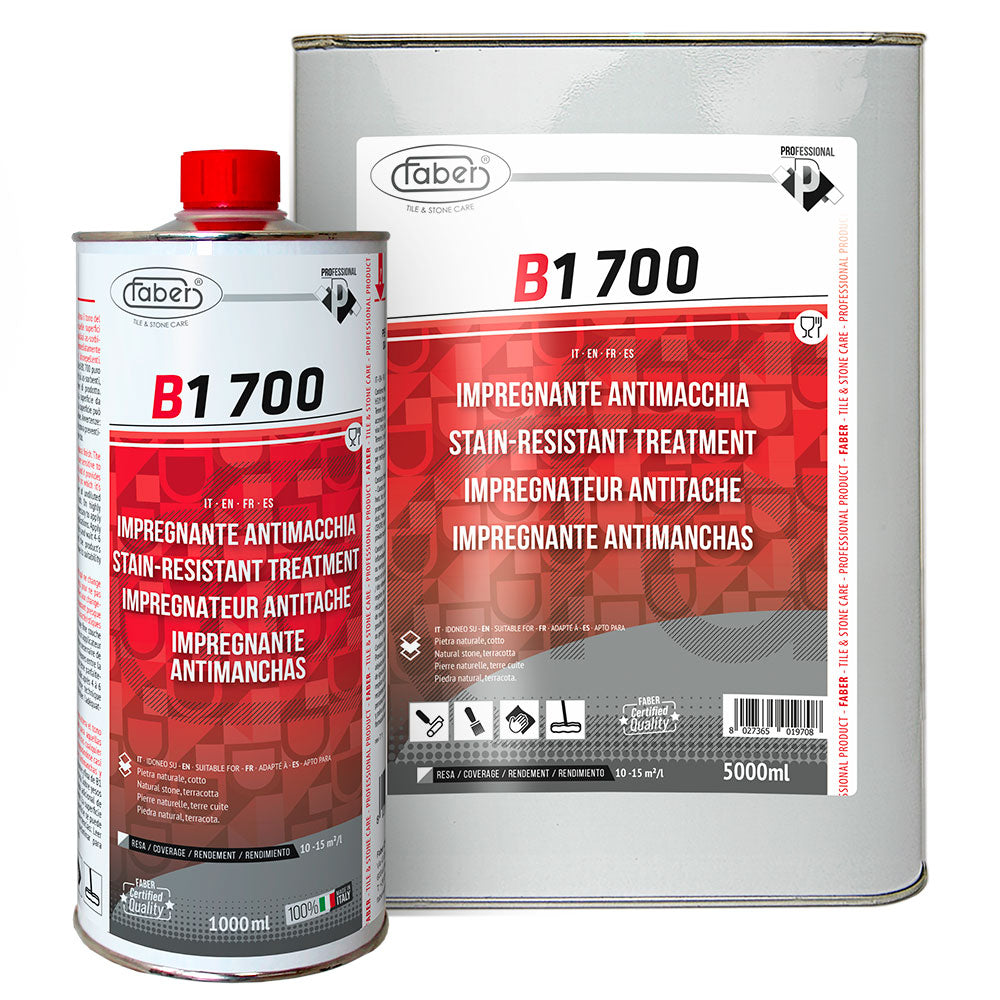
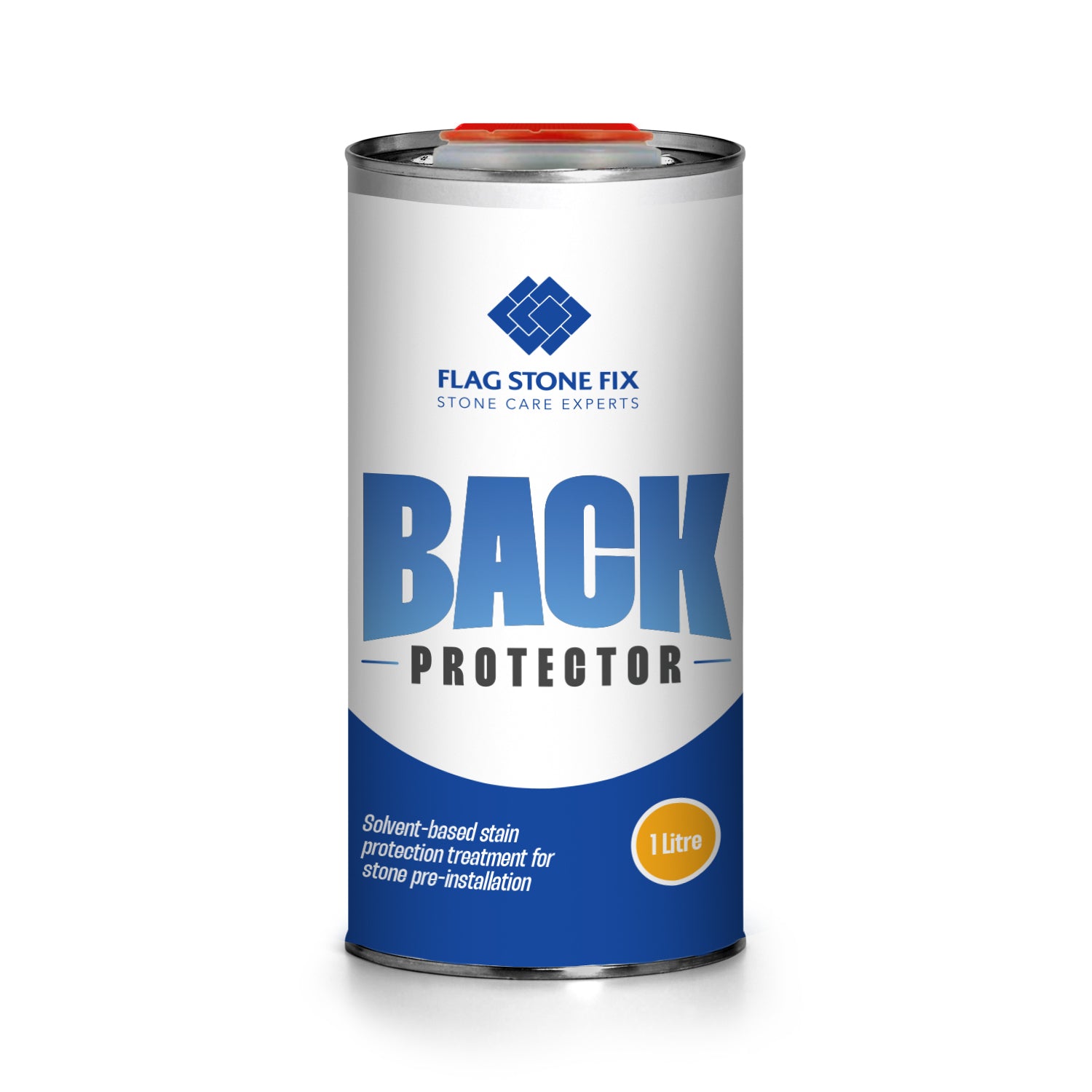
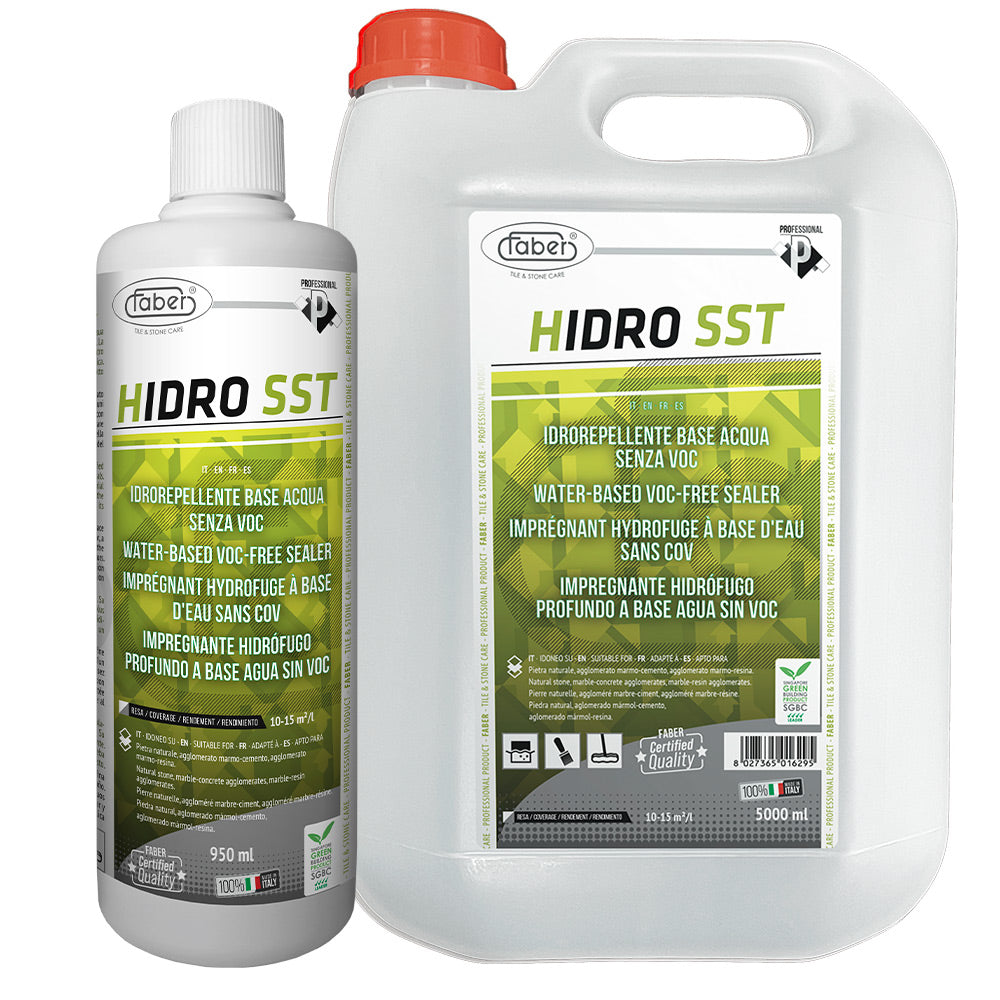
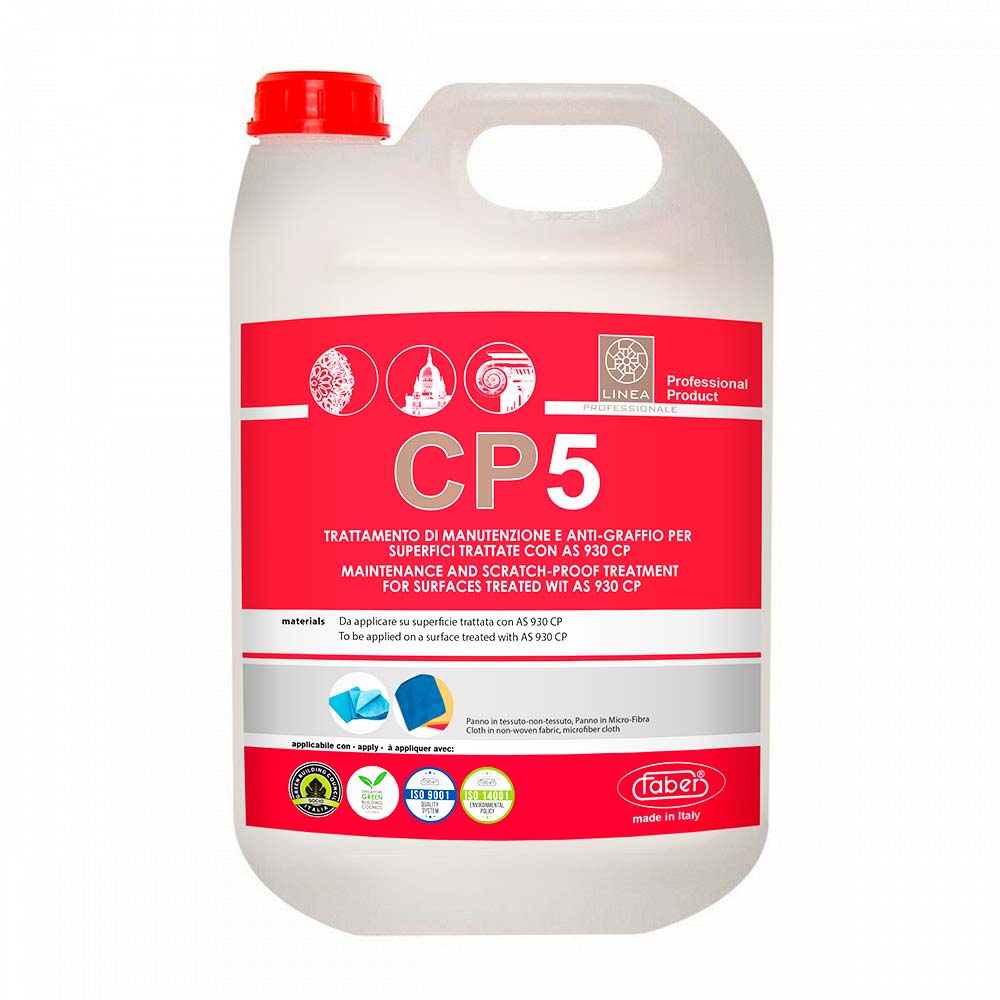
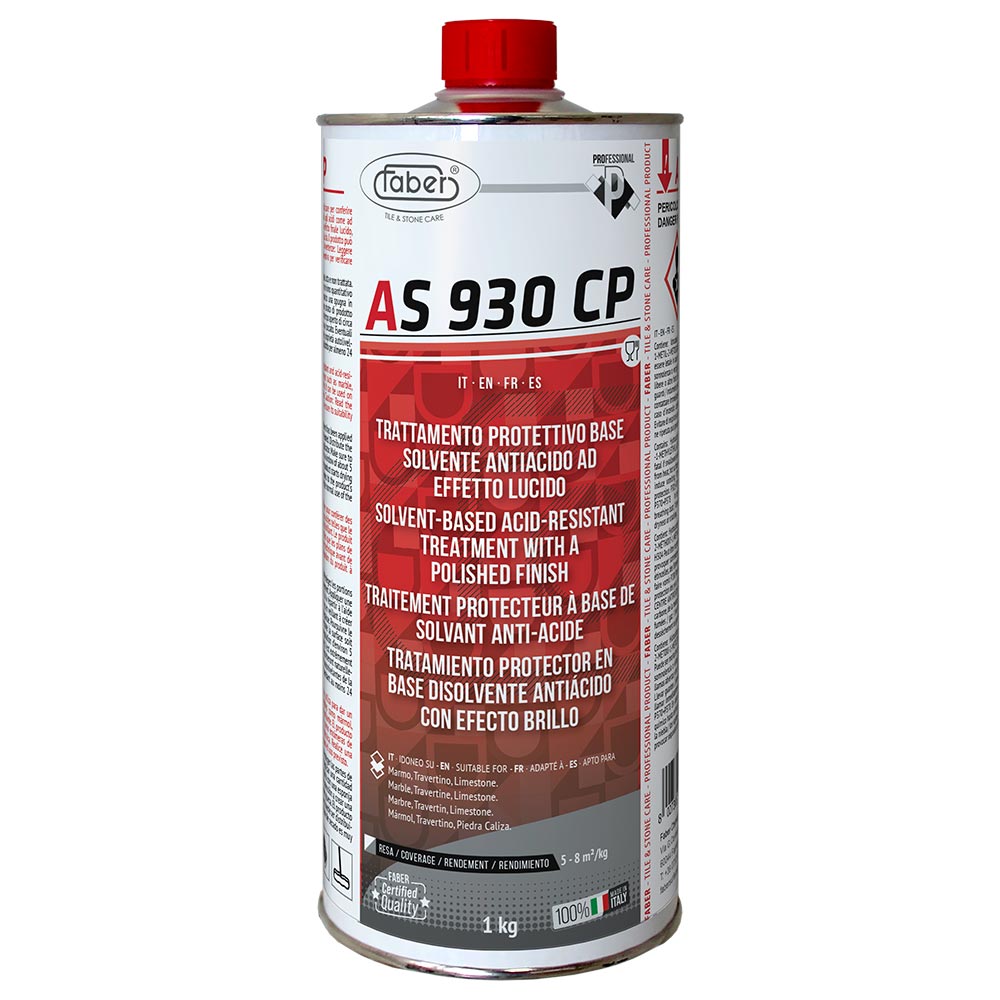
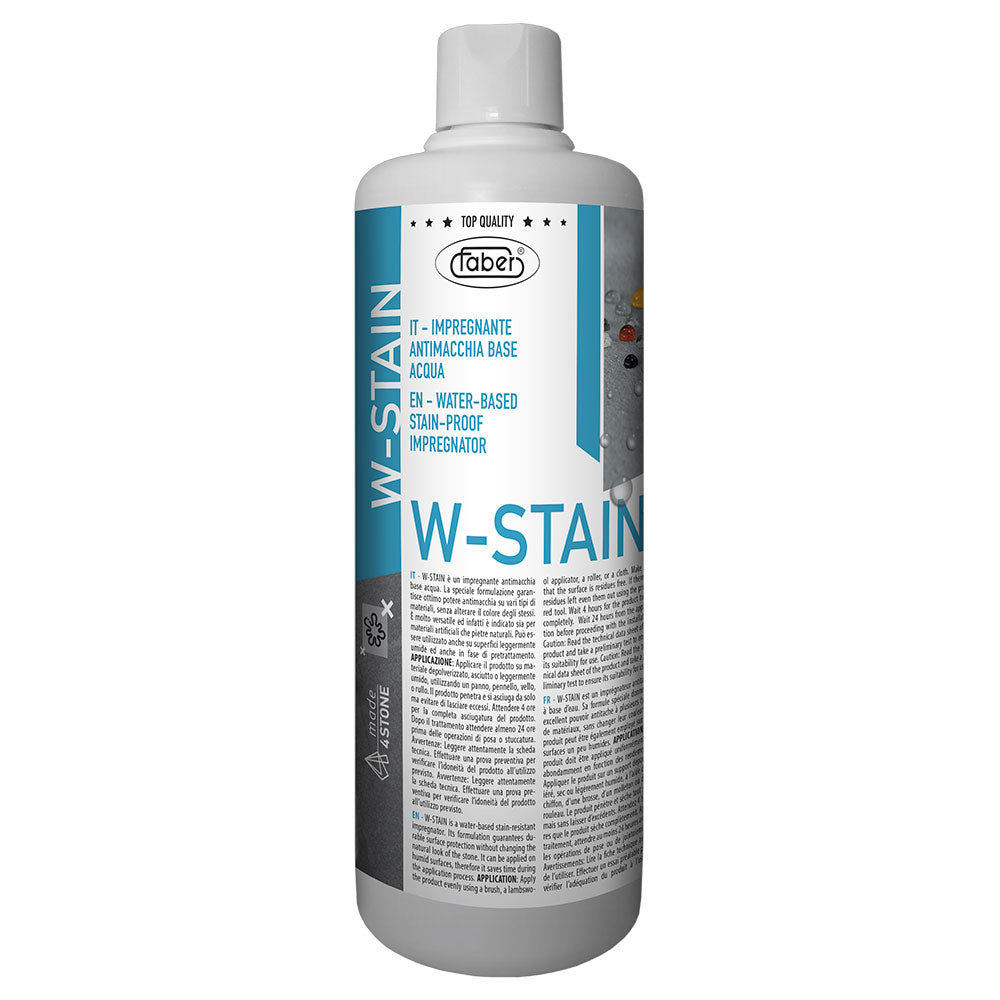
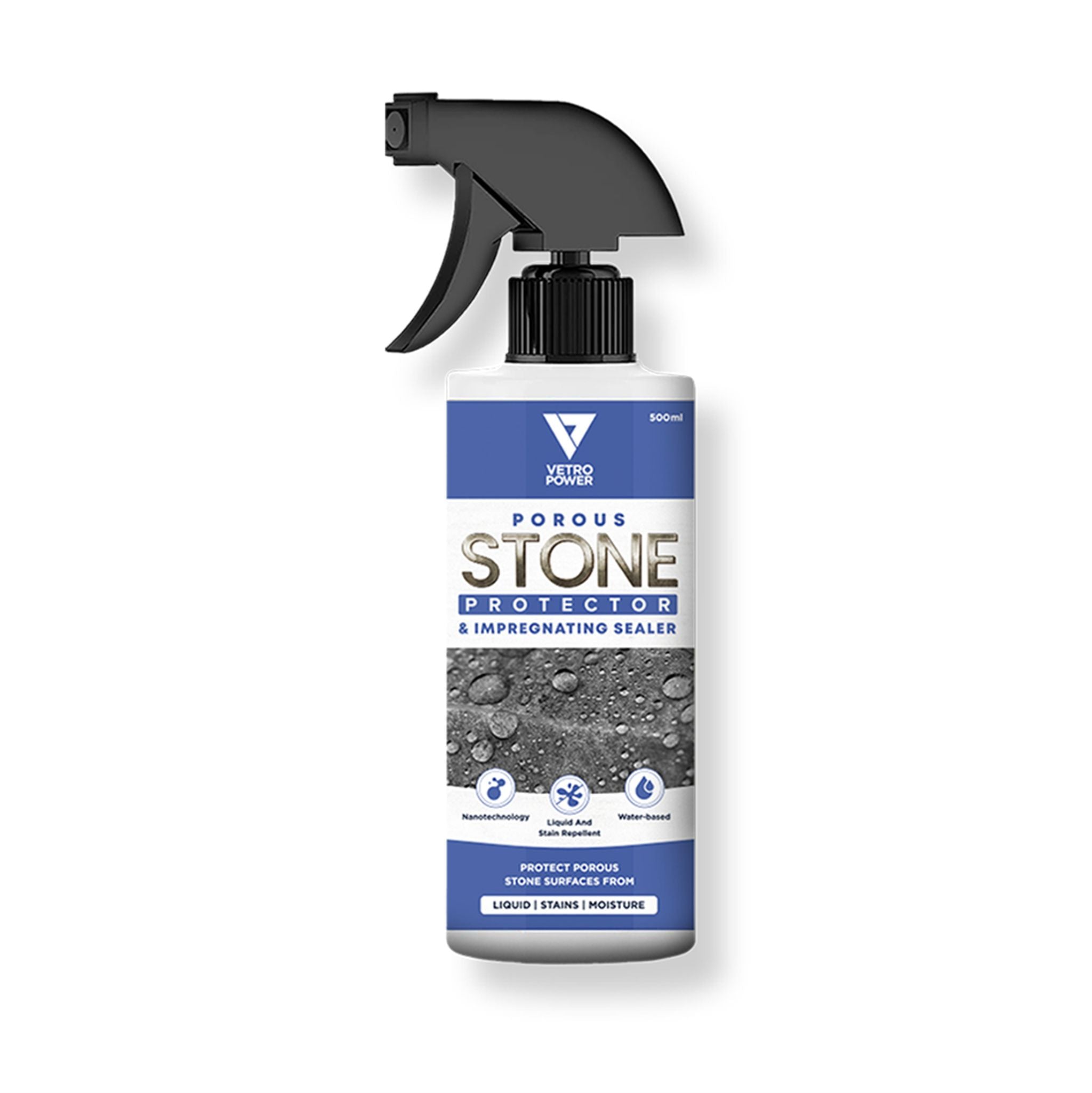
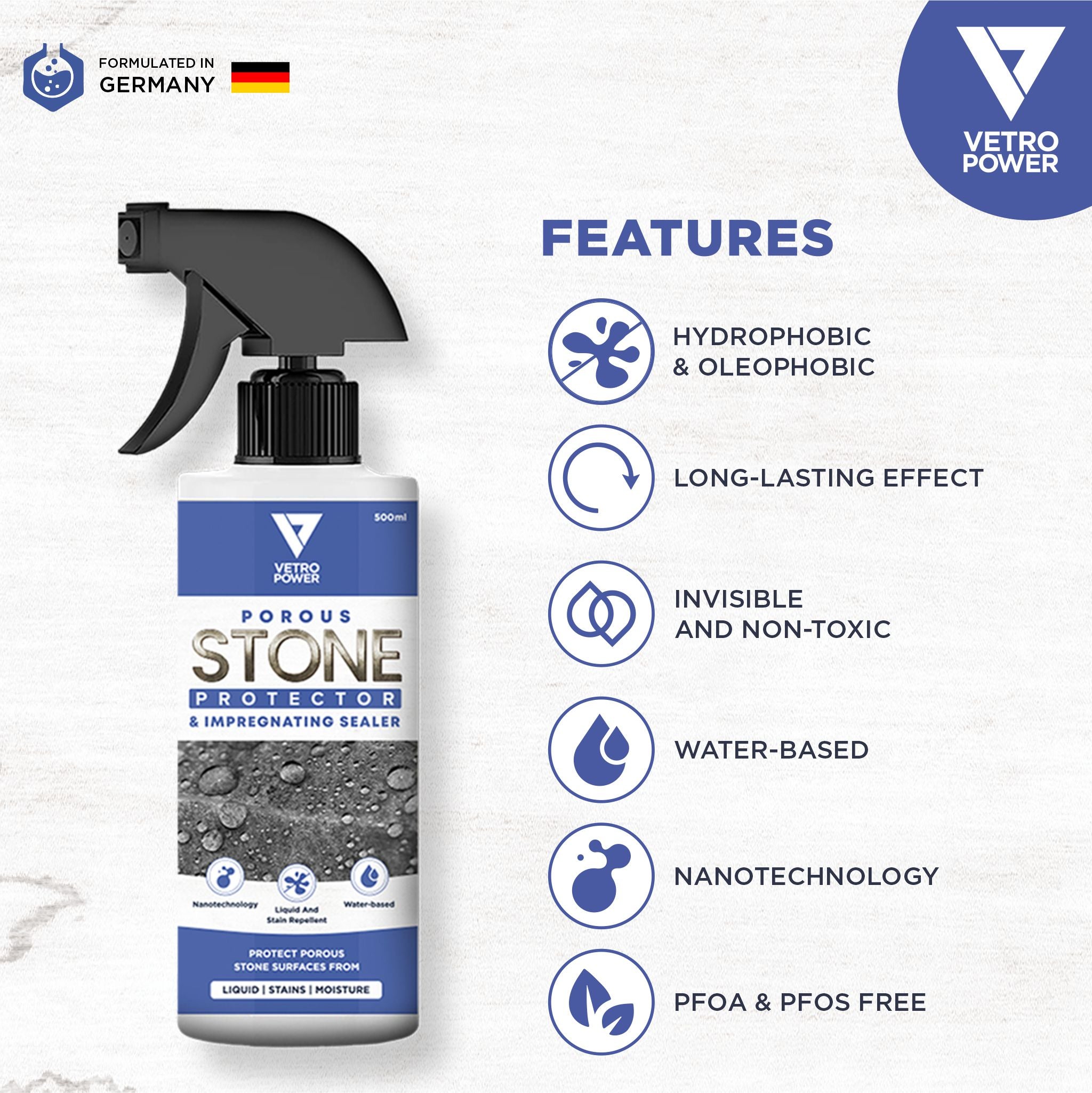
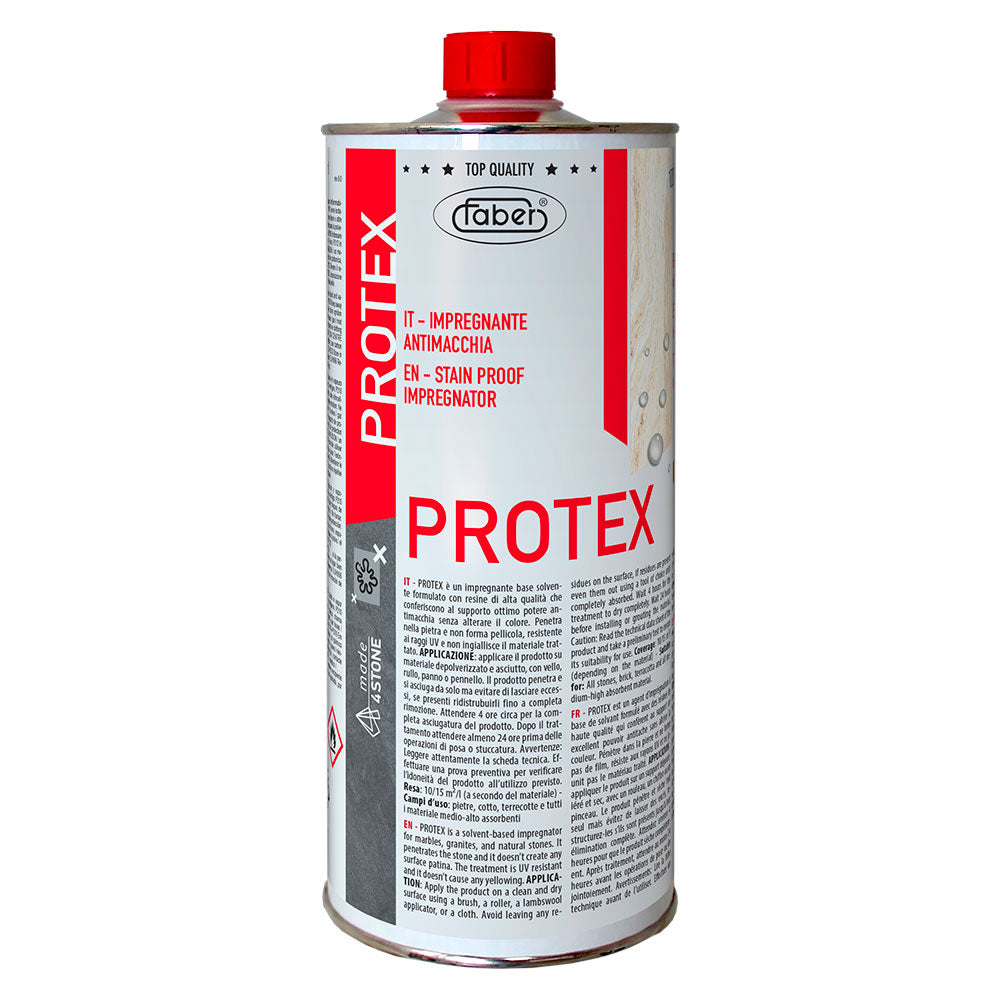
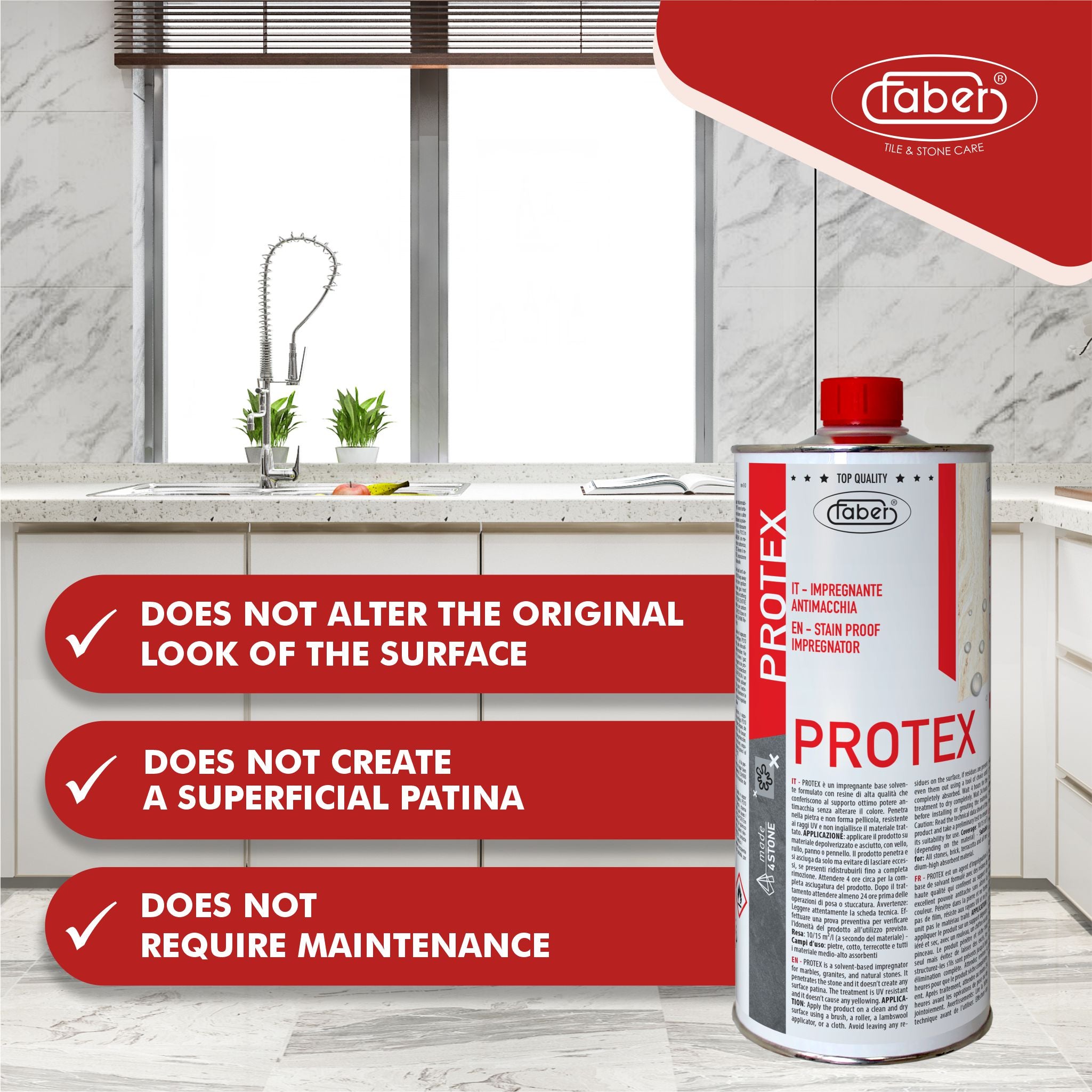
Impregnating sealers that protect marble, granite, terracotta and agglomerates against water, oil and stains without changing the look. Choose water-based (Hidro SST, Hidro Protector MM, W-Stain, Protex WB) or solvent-based (B1 700, Protex, FS Super Protector). AS 930 CP adds etch resistance for kitchen tops, and FS Back Protector stops grout and cement stains during installation.
Need help choosing? WhatsApp us your stone type and problem or read the stone care buying guide.
Coverage calculator: how much product do I need?
Coverage from the manufacturer's technical data sheet; very absorbent stone takes more. Test on a small hidden area first. Ask us on WhatsApp
How to seal marble, granite and natural stone
Natural stone is porous. Unsealed marble absorbs tea, oil and hard water within minutes, and once a stain is inside the stone only specialist stain removal can recover it. A penetrating sealer fills the pores so water and oil stay on the surface, while the stone still breathes and looks the same.
7 steps to seal stone like a professional
- Check if it needs sealing. Put a few drops of water on the stone. If it darkens within a few minutes, seal it.
- Deep-clean all dirt, residue and old coatings. Never seal over grime.
- Remove stains first. Sealing locks existing stains in.
- Let it dry completely: 24–48 hours after wet cleaning, longer in the monsoon. Trapped moisture causes cloudy patches.
- Apply thin, even coats with a lambswool applicator, brush or microfibre pad, keeping a wet edge.
- Remove the excess before it dries so no film or haze is left on polished stone.
- Keep it dry and traffic-free for the curing time on the label before walking on it or wet-cleaning it.
Sealers, coverage and where to use them
| Product | Type | Best for | Coverage |
|---|---|---|---|
| B1 700 | Solvent-based, fast drying | Limestone and stone sensitive to colour change; natural look | 10–15 m² per litre |
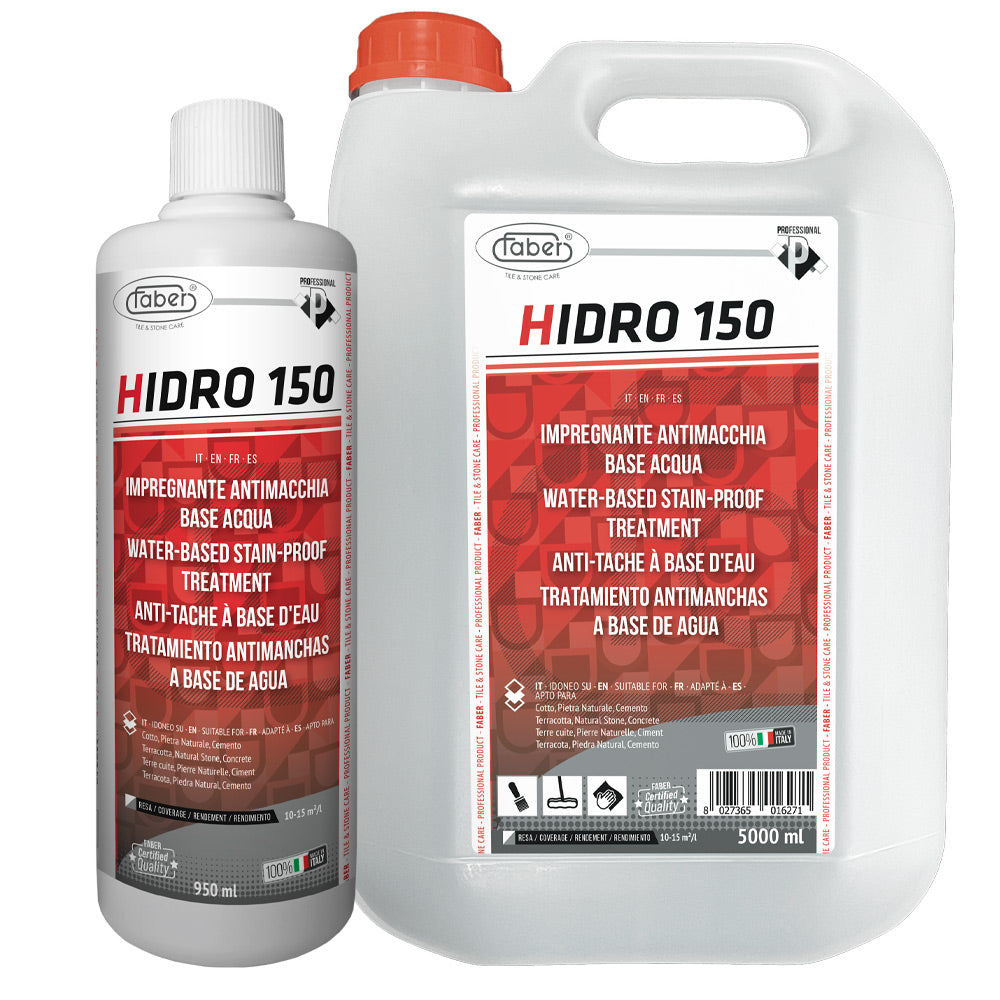
| Hidro SST | Water-based, VOC-free | Full-depth protection, rising damp; use undiluted | 10–15 m² per litre |
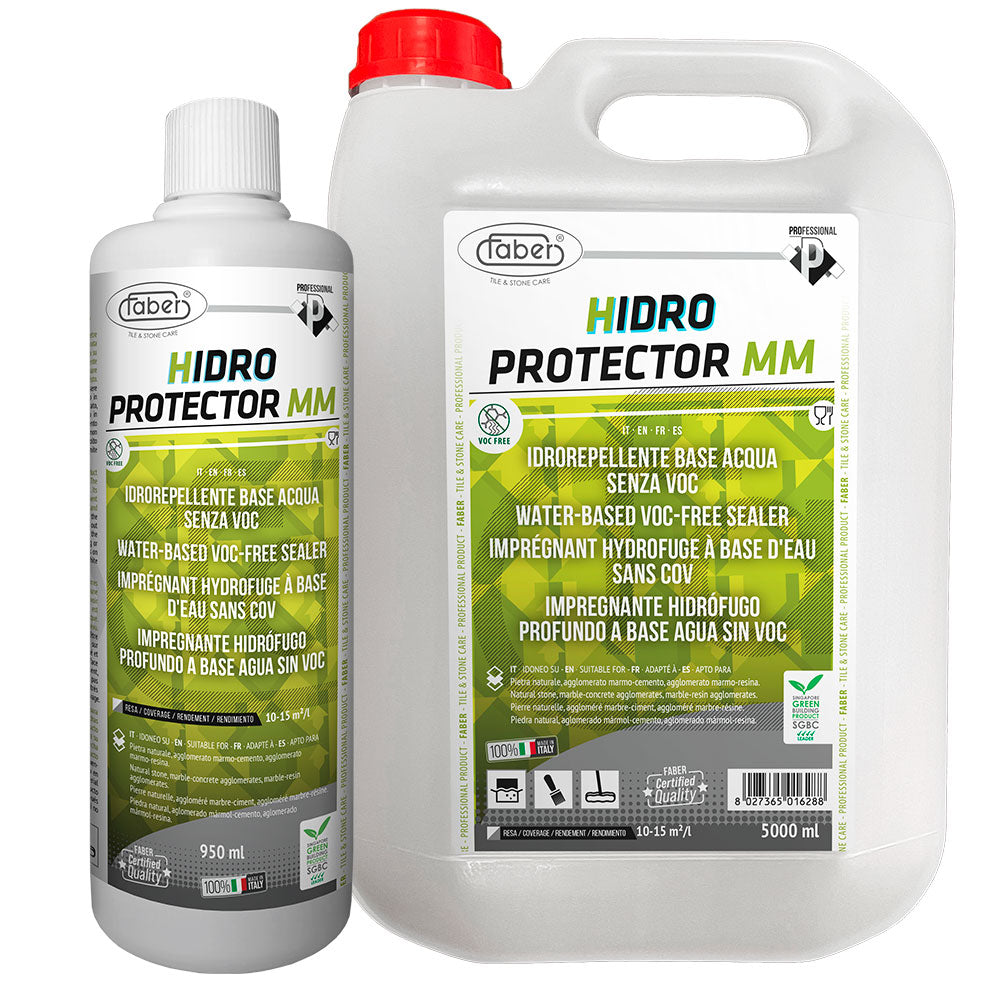
| Hidro Protector MM | Water-based, ready to use | Stain, rust, yellowing and salt protection | 10–15 m² per litre |
| W-Stain | Water-based | Stone, agglomerates and terracotta; keeps breathability | 15–20 m² per litre |
| Protex | Solvent-based, fast drying | Natural stone, natural look | 10–15 m² per litre |
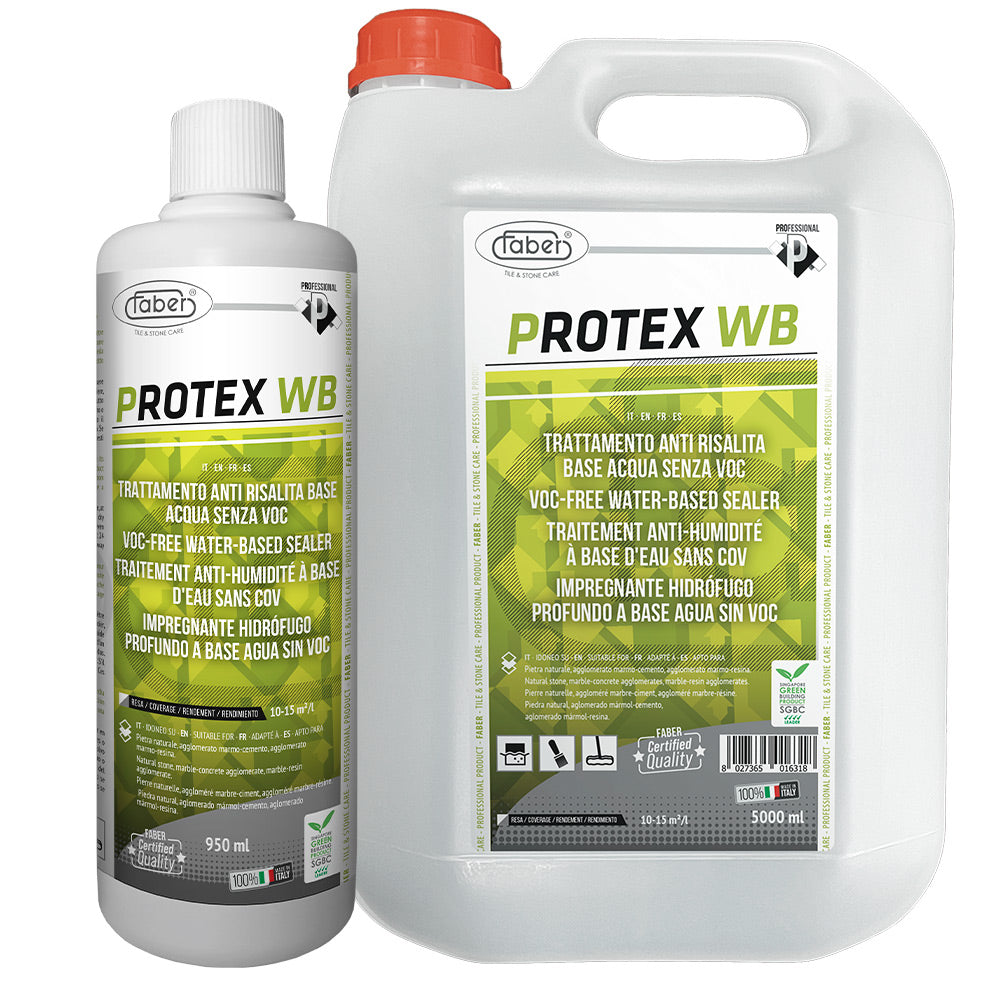
| Protex WB | Water-based, ready to use | Stains and rising humidity | 10–15 m² per litre |
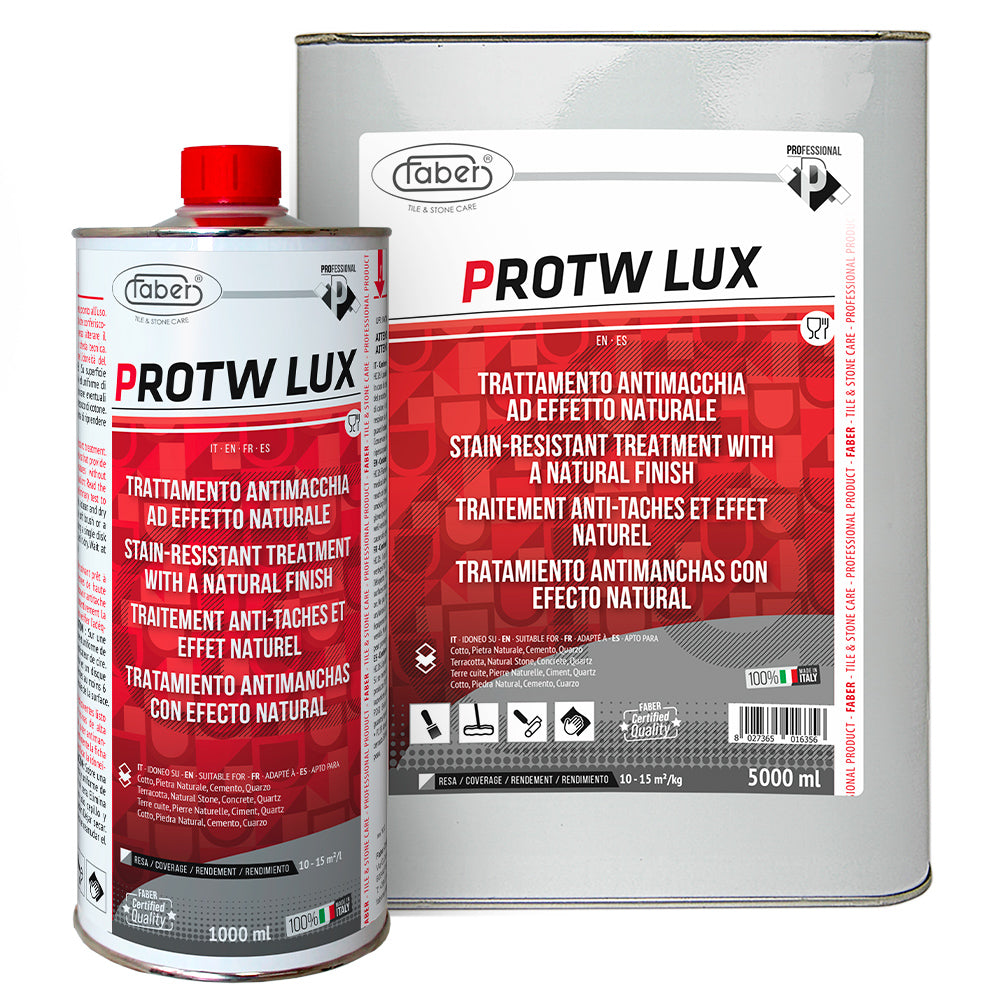
| PROTW LUX | Solvent-based | High-performance stain protection, natural look | 10–15 m² per litre |
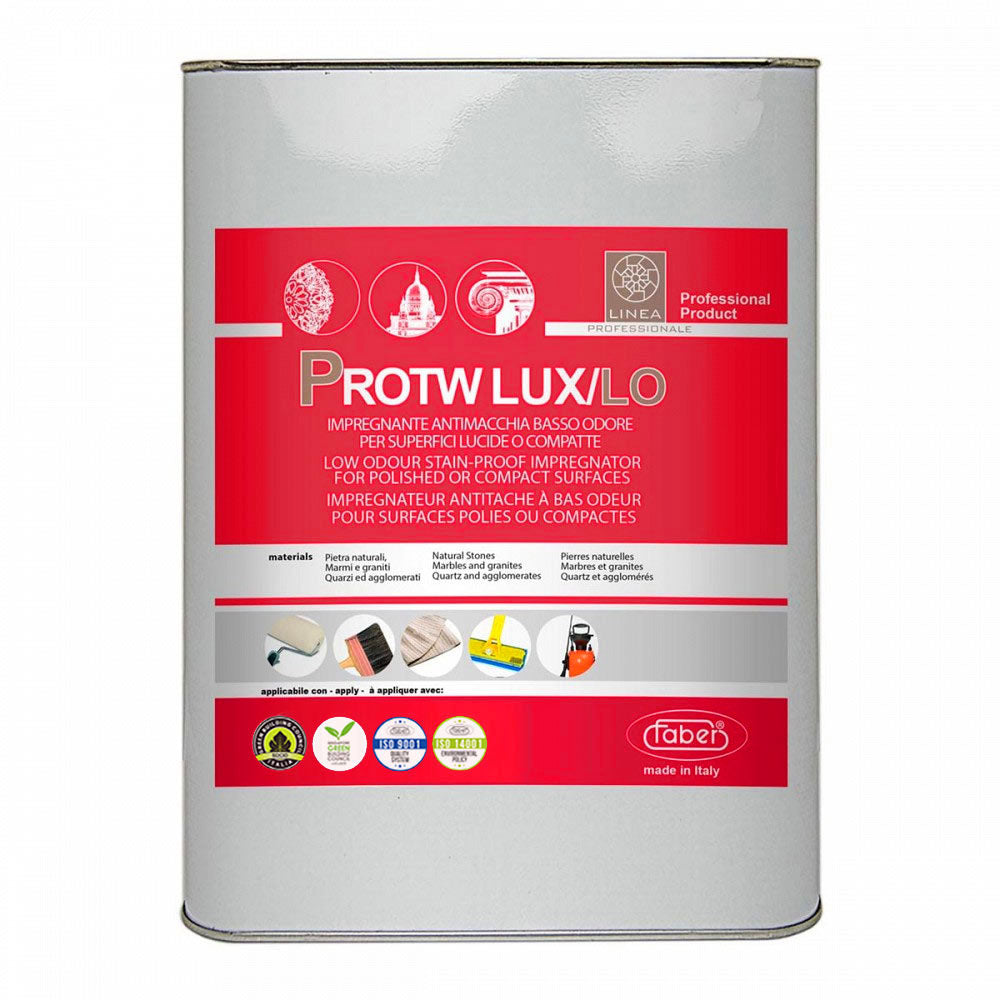
| PROTW LUX LO | Solvent-based, low odour | Occupied homes, hotels and offices | 10–15 m² per litre |
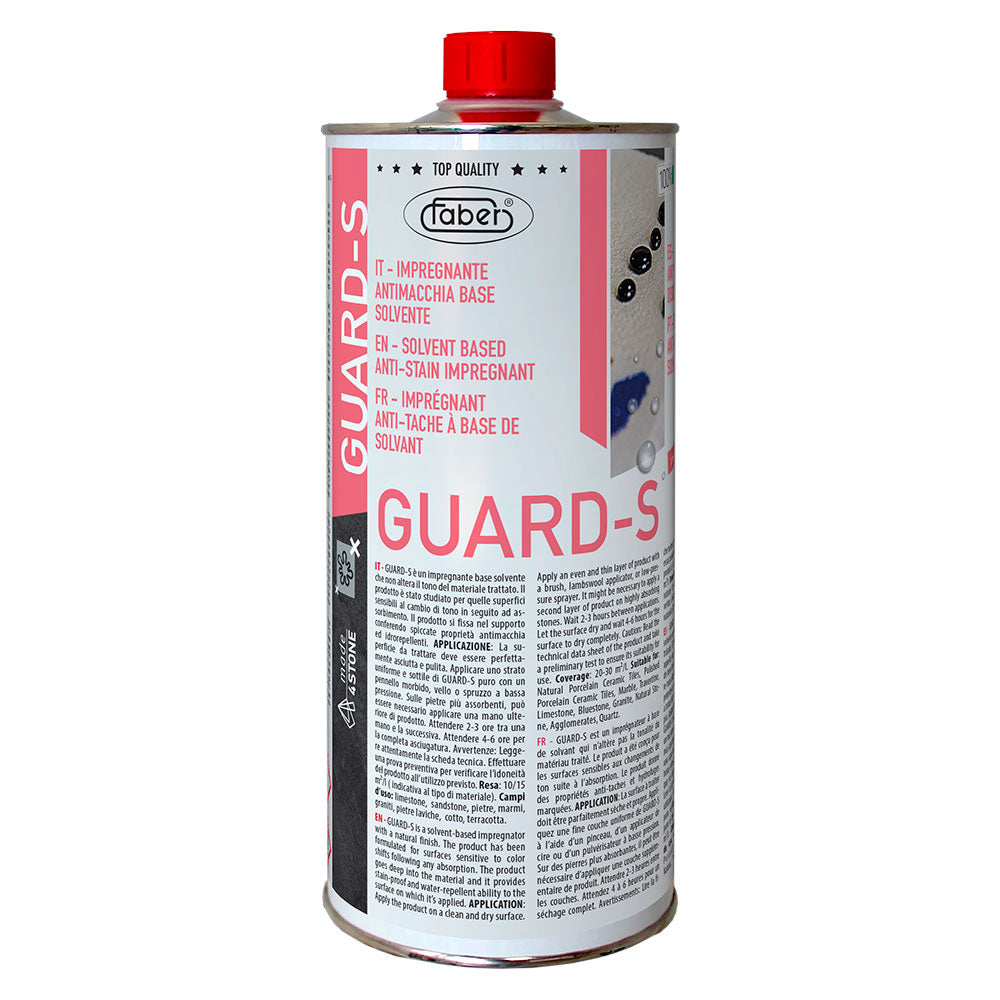
| Guard-S | Solvent-based | Terracotta, stone and agglomerates; no colour change | 10–15 m² per litre |
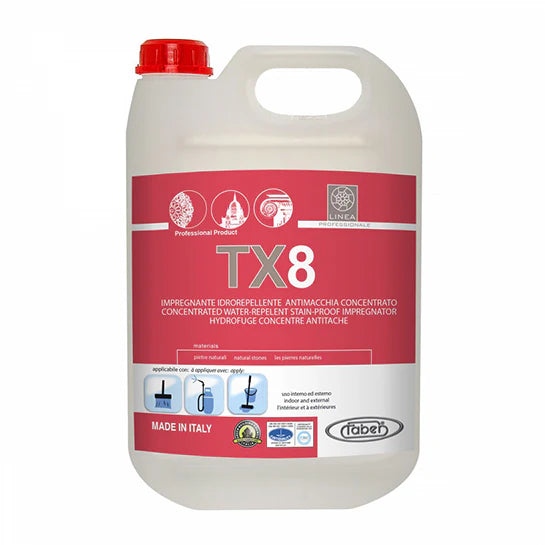
| TX 8 | Water-based concentrate | Large areas; diluted on site | 5 litres treat over 300 m² |
| AS 930 CP | Solvent-based | Kitchen tops: stain- and etch-resistant, polished finish | 15–20 m² per kg |
| FS Back Protector | Solvent-based | Back and sides of stone before laying, against grout and cement stains | 10–15 m² per litre |
How often to re-seal
| Area | Re-seal every |
|---|---|
| Living areas at home | 2–3 years |
| Kitchens and dining areas | 1–2 years |
| Bathrooms and wet areas | 1–2 years |
| Hotel lobbies and busy commercial floors | 12–18 months |
| Outdoor stone and facades | Check every year before the monsoon |
Coverage and dilution figures are from the Faber Italy technical data sheets. Always test on a small hidden area first.
WhatsApp us a photo of the surface Call +91 87792 40420
Frequently asked questions
Do marble and granite need sealing?
Yes. Both are porous. If a few drops of water darken the stone within minutes, it needs sealing.
How much sealer do I need?
Most Faber sealers cover 10 to 15 m² per litre per coat (W-Stain 15 to 20). Very absorbent stone may need a second coat. Use the coverage calculator above for your area.
Water-based or solvent-based sealer?
Water-based sealers (Hidro SST, Protex WB, W-Stain) have low odour and suit occupied homes and hotels. Solvent-based sealers (B1 700, Protex, PROTW LUX) penetrate dense or polished stone deeply and dry fast.
How often should marble be re-sealed?
Every 2 to 3 years in living areas, every 1 to 2 years in kitchens and bathrooms, and every 12 to 18 months on busy commercial floors.
Will a sealer change the look of my stone?
The sealers in this collection are designed to keep the natural look. If you want a darker, wet look, choose a colour enhancer instead.
