
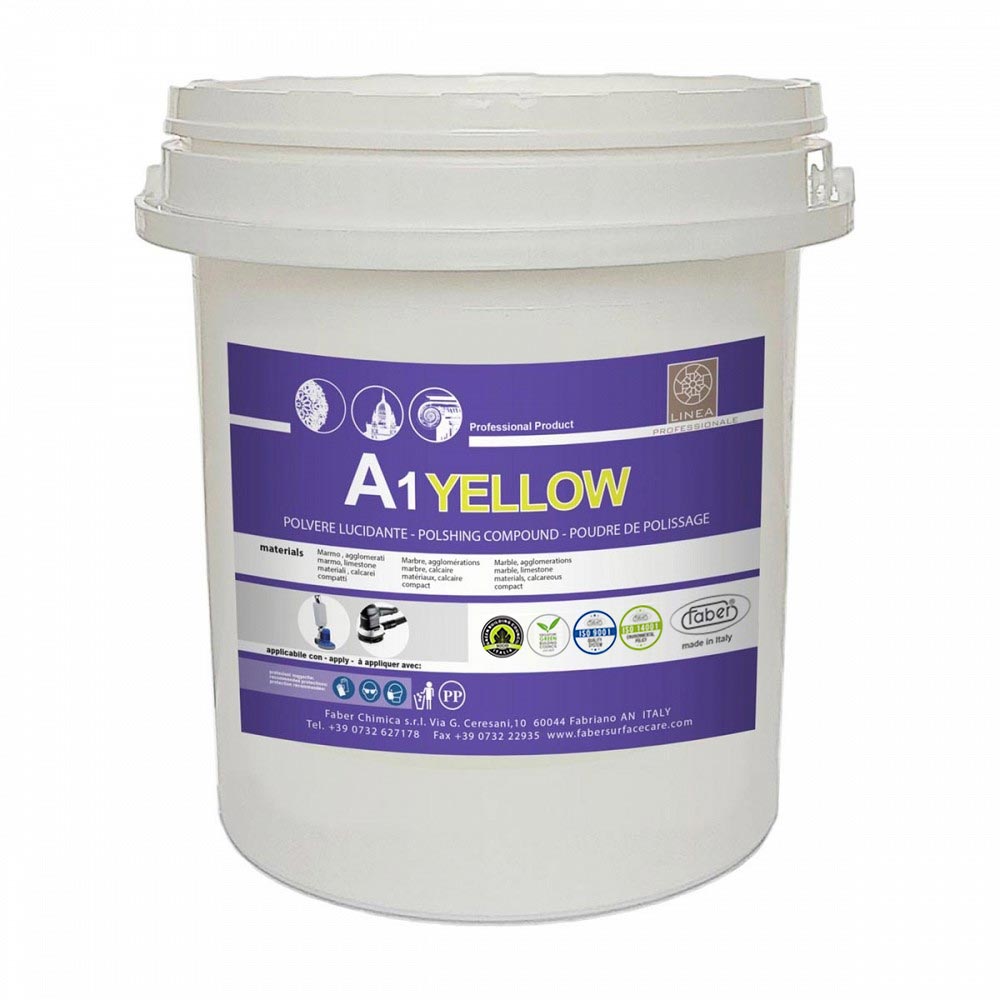
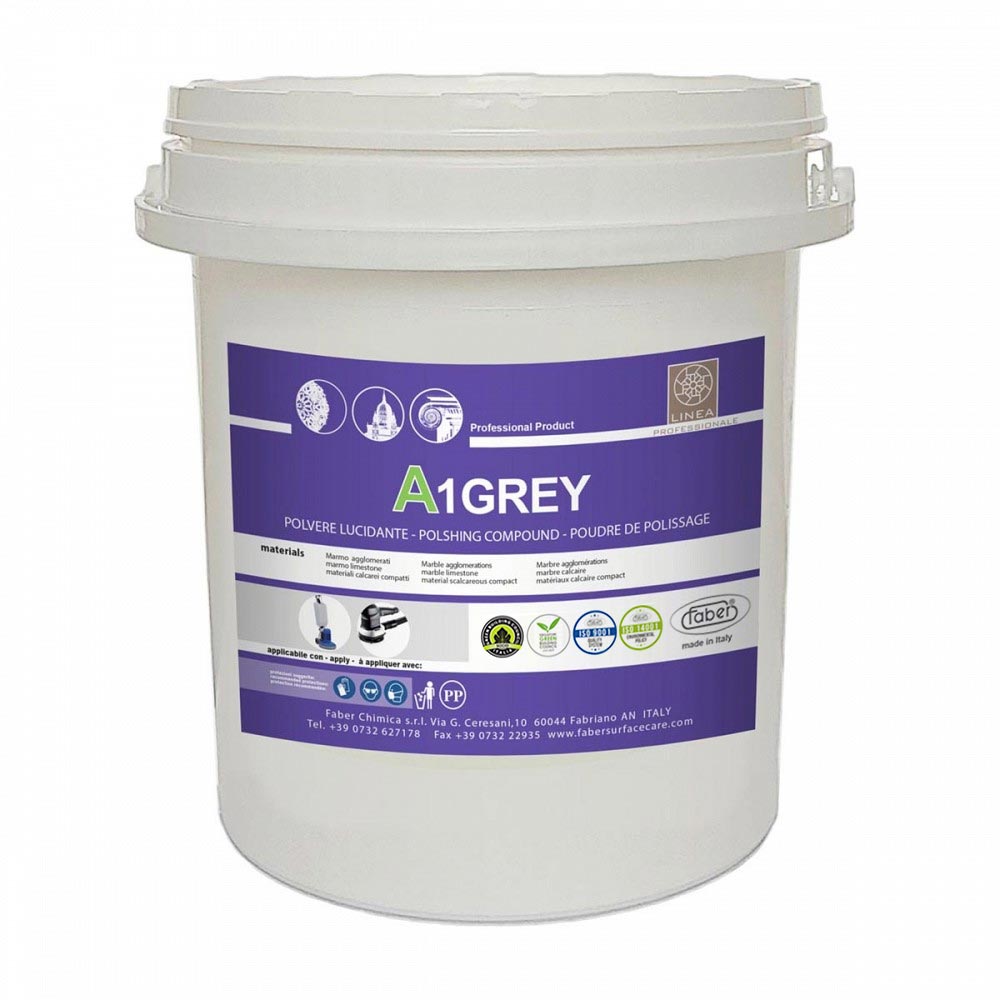
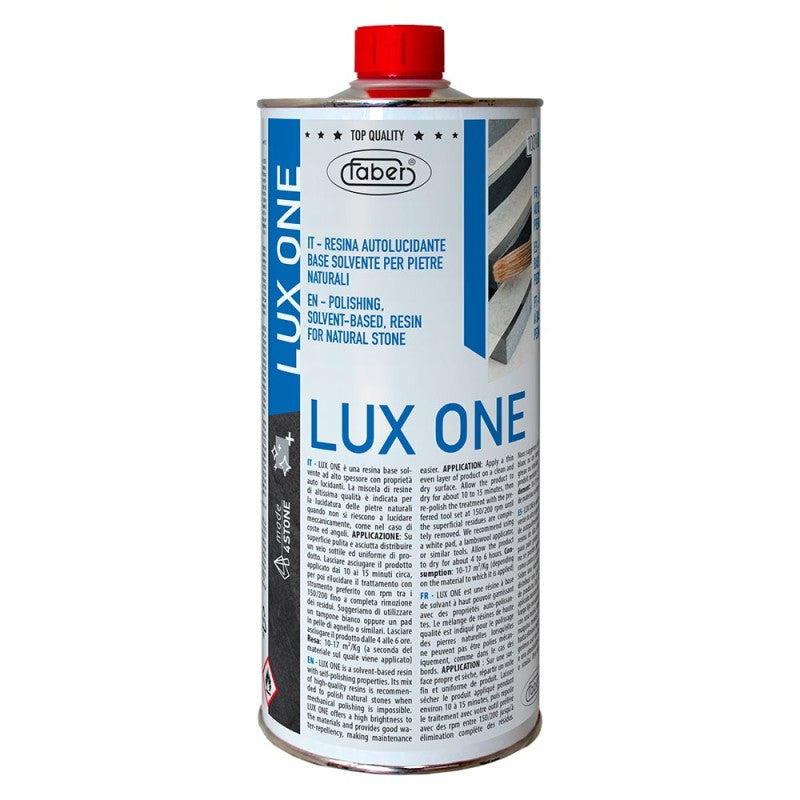
Restore shine to dull stone: polishing powders for marble and limestone (A1, A2 Mix, A3 Yellow), crystallisers (Cristalfab, FK2, Buff N Shine), polishing creams for granite (Star Shine) and for ceramic, porcelain and quartz (Star Shine Easy), and Lux One for edges, corners and columns.
Need help choosing? WhatsApp us your stone type and problem or read the stone care buying guide.
Coverage calculator: how much product do I need?
Coverage from the manufacturer's technical data sheet; very absorbent stone takes more. Test on a small hidden area first. Ask us on WhatsApp
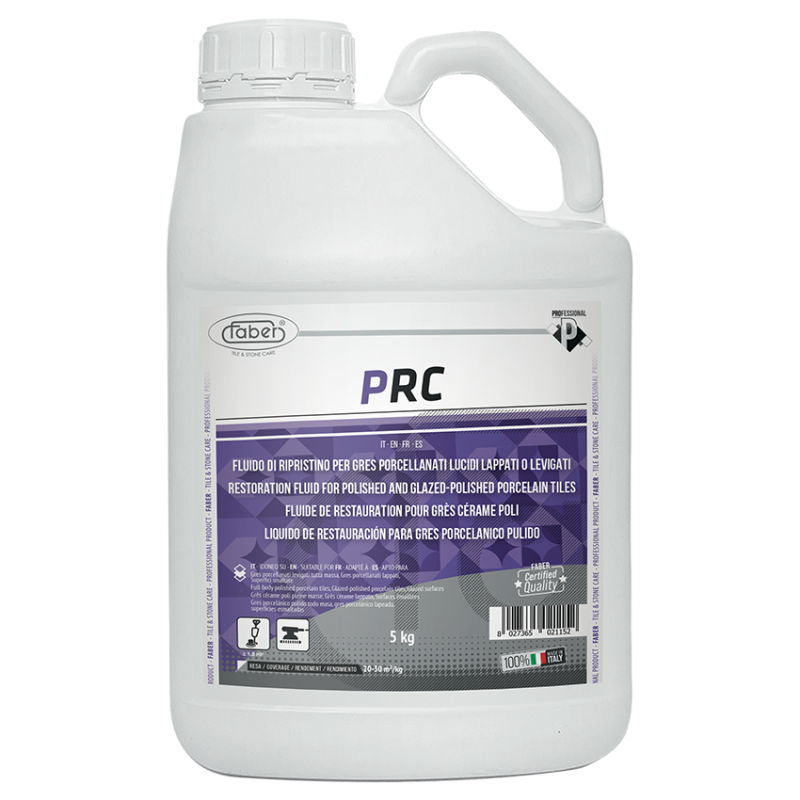
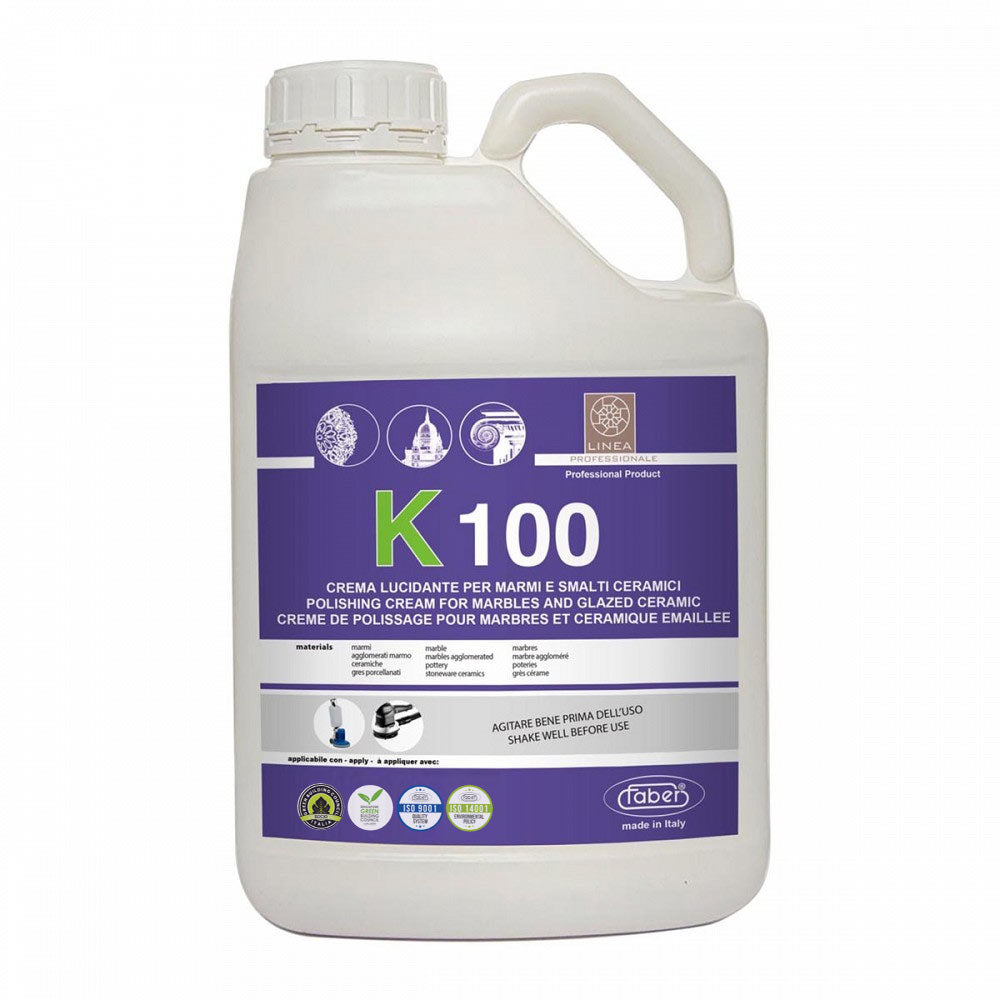
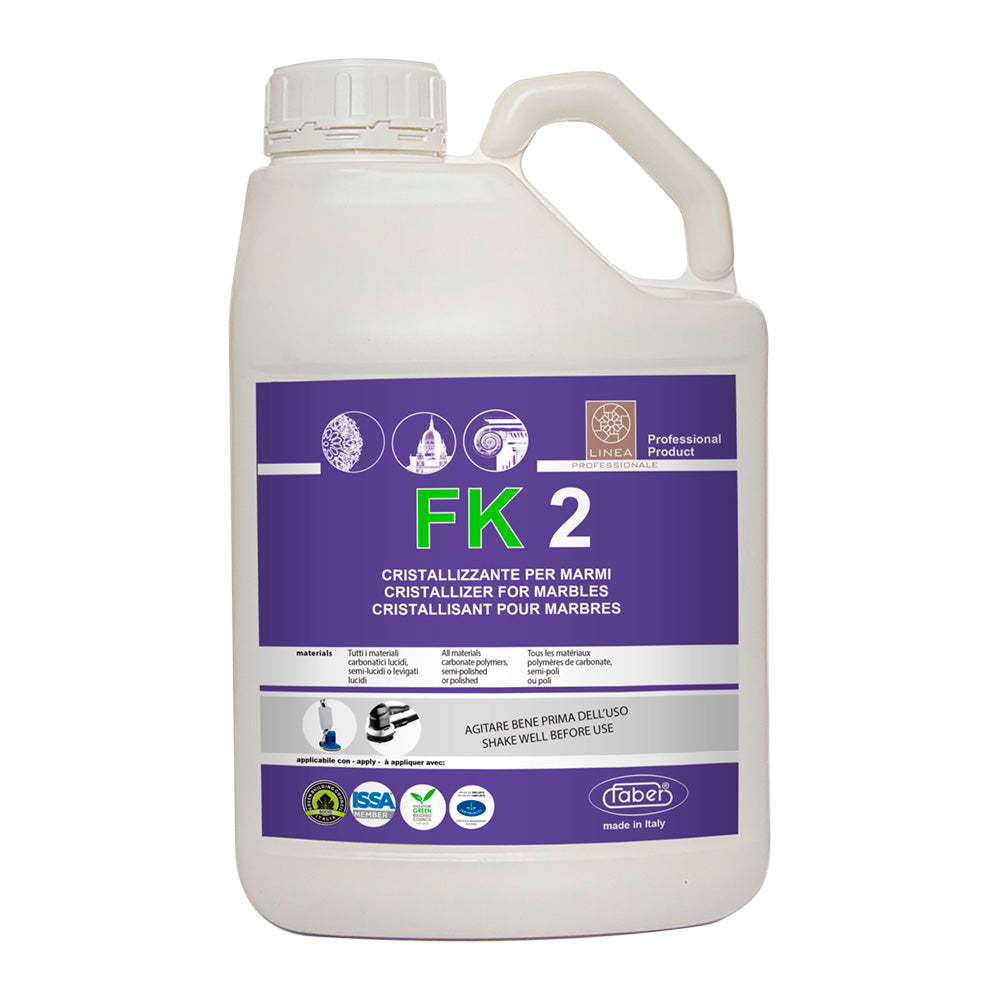
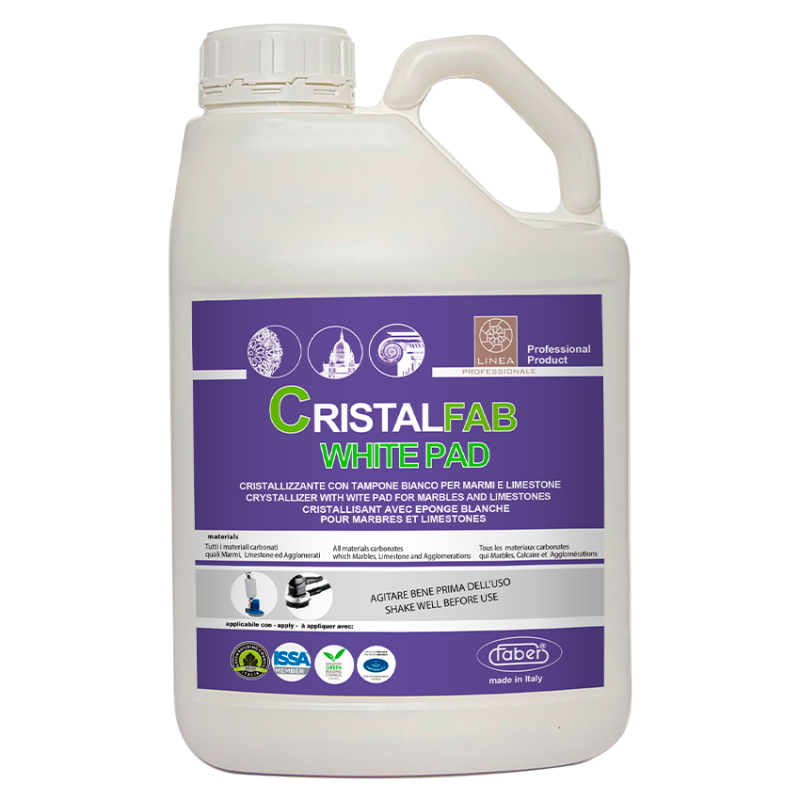
Polishing or crystallising: bringing back the shine
Dull marble has one of two problems. If you can feel scratches, ridges or rough patches with your hand, the surface is damaged and needs polishing, which smooths it with fine abrasives. If it feels smooth but simply looks flat or hazy, crystallising restores a hard, glass-like shine without removing any stone. Many professional jobs do both: polish first, then crystallise to harden the finish.
Products and coverage
| Product | What it does | Best for | Coverage |
|---|---|---|---|
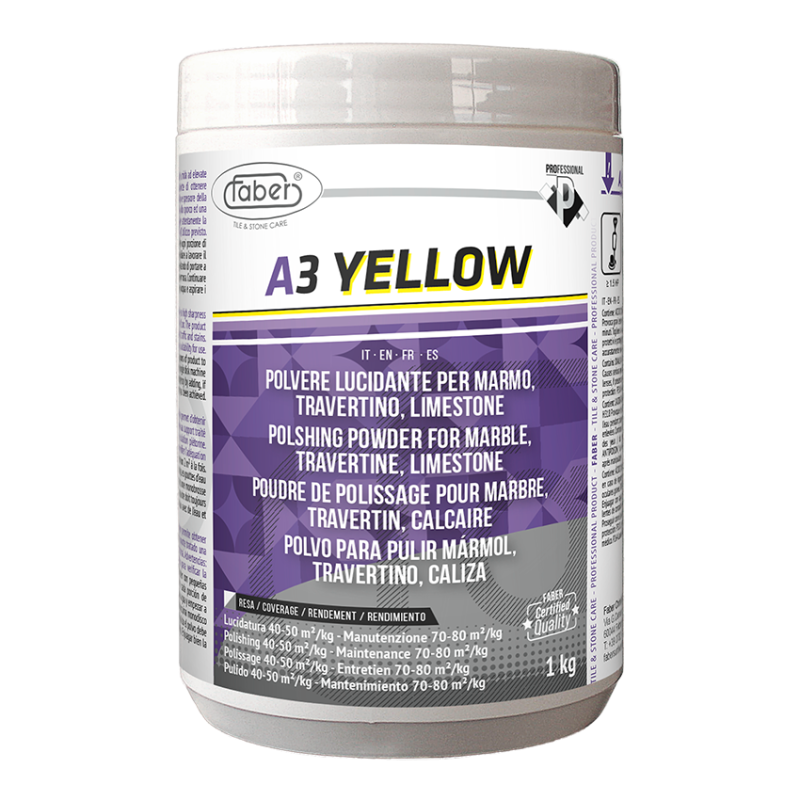
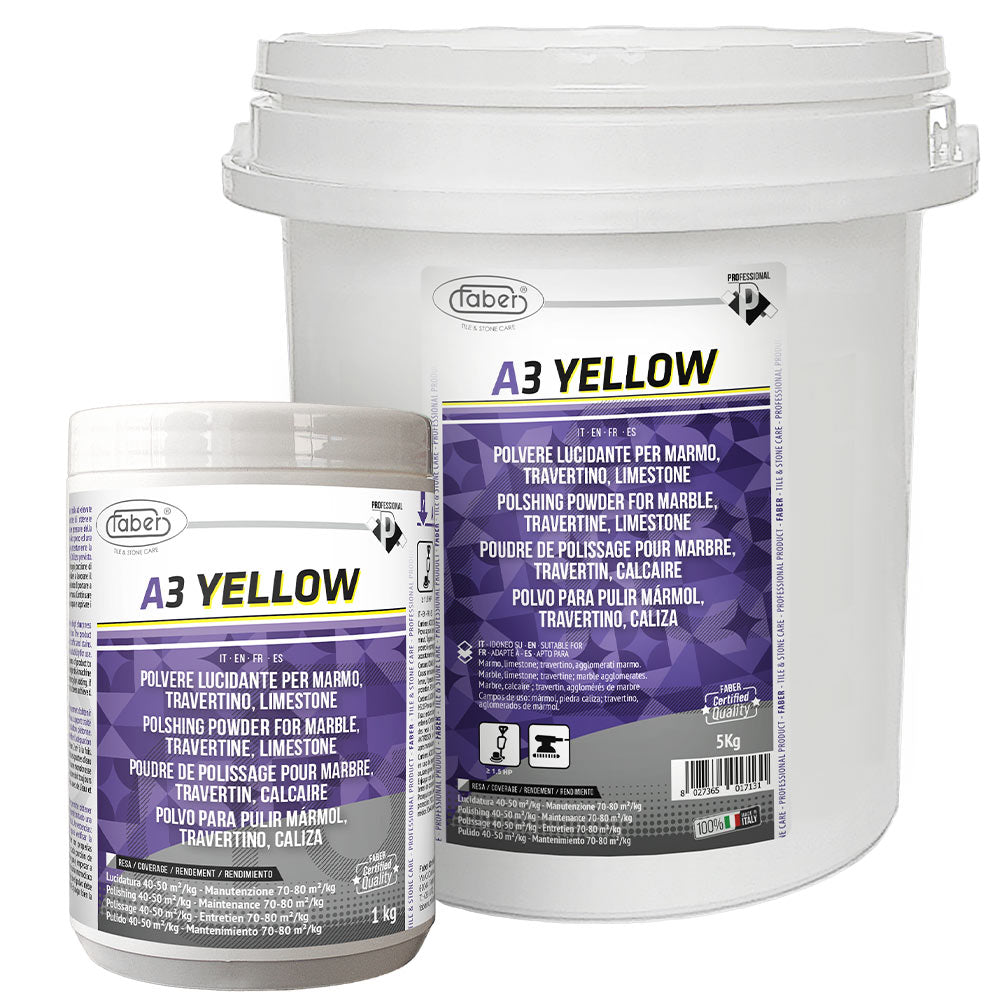
| A3 Yellow | Wet polishing powder, mirror shine without wax | Marble, limestone and lime-based stone | 40–50 m² per kg (50–100 m² for maintenance) |
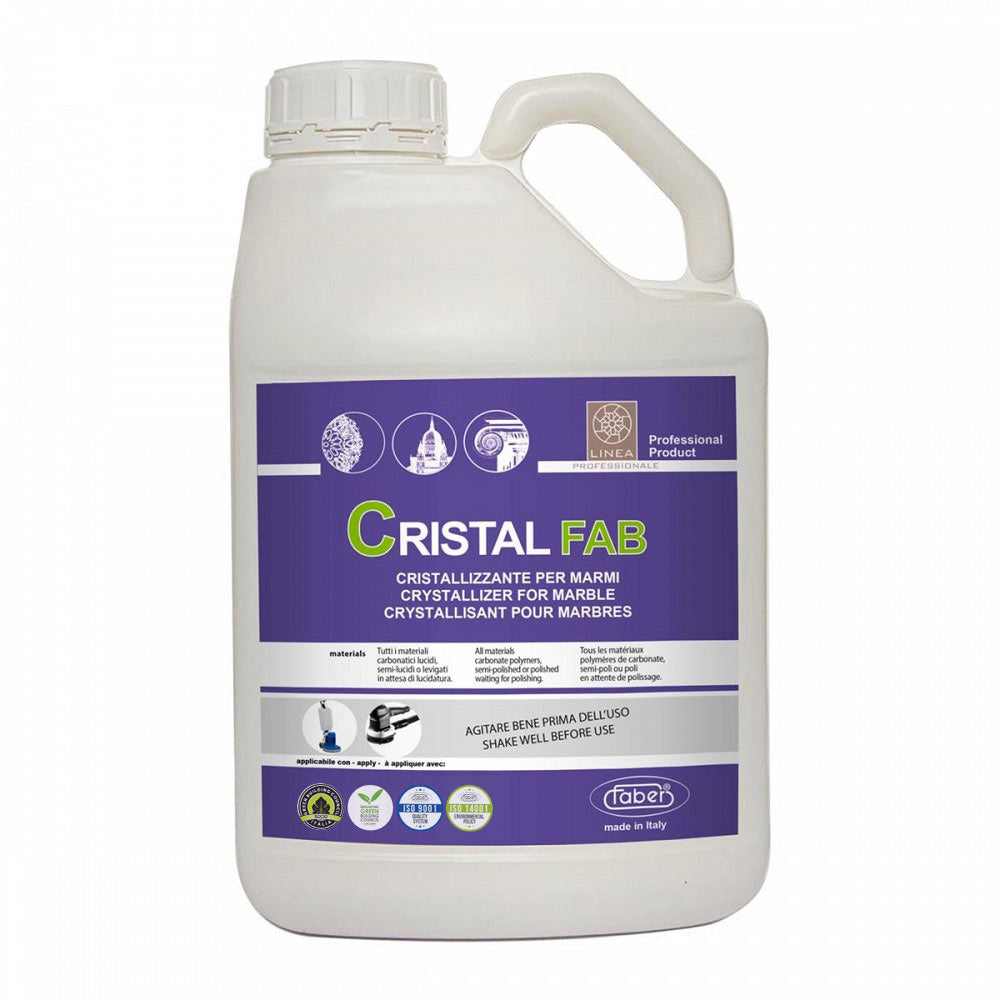
| Cristalfab | Low-acidity crystalliser, spray-buffed (3–4 sprays per m²) | Marble and lime-based stone | 50–70 m² per kg |
| FK2 | Liquid crystalliser, no yellowing or greying | Calcareous stone | 50–70 m² per kg |
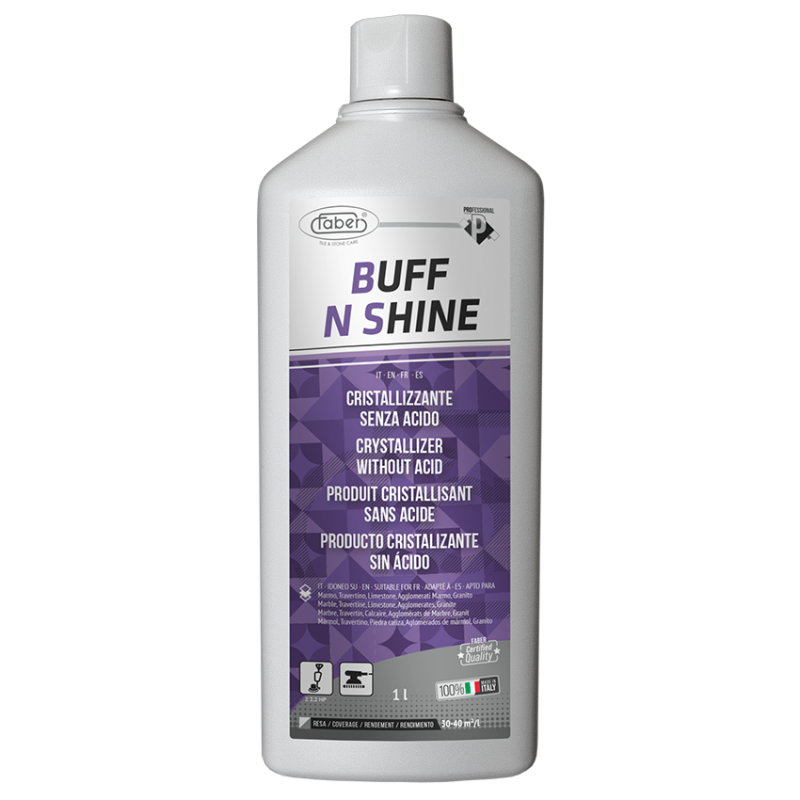
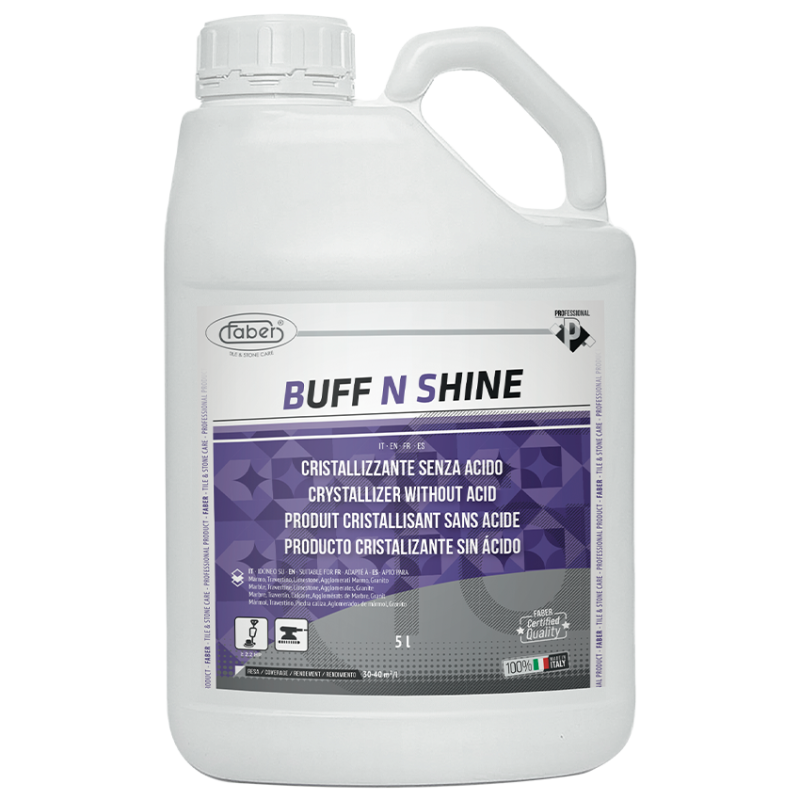
| Buff N Shine | Acid-free crystalliser, dry-buffed with a white pad | Natural stone and agglomerates | 30–40 m² per kg |
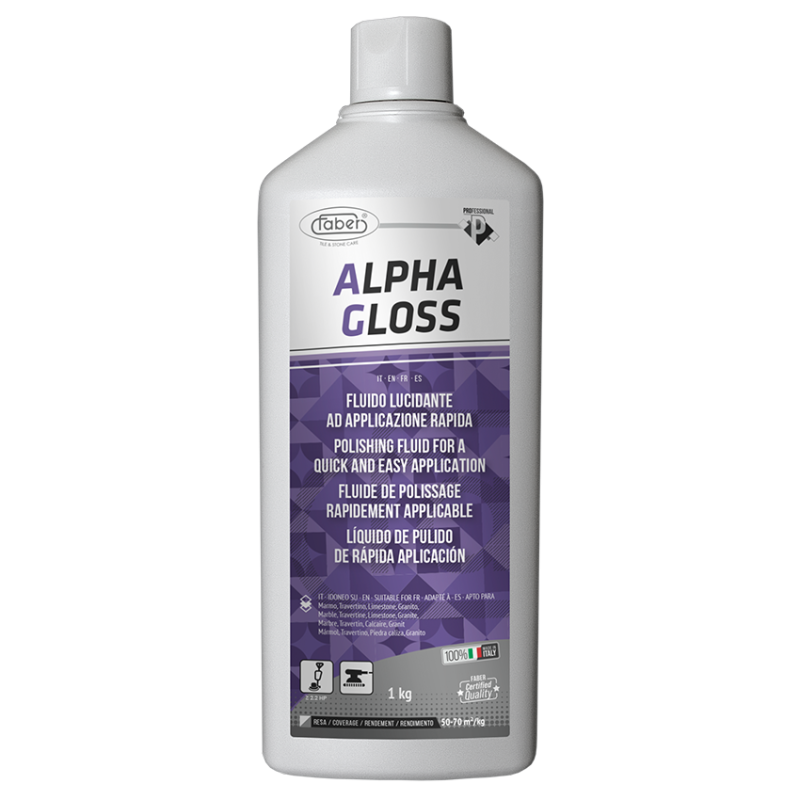
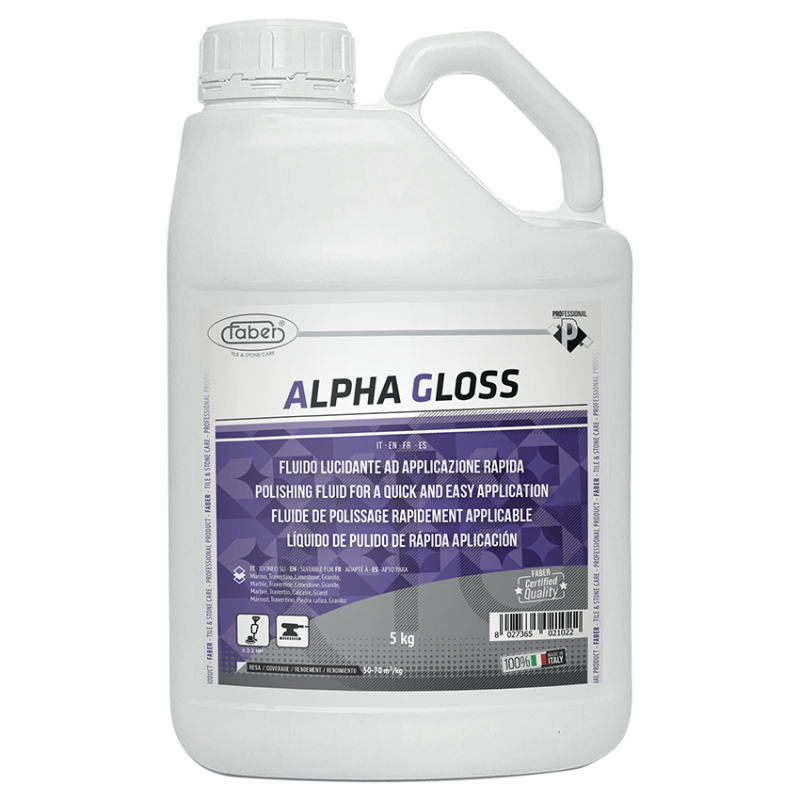
| Alpha Gloss | Water-based polishing fluid | Natural stone and agglomerates | 50–70 m² per kg |
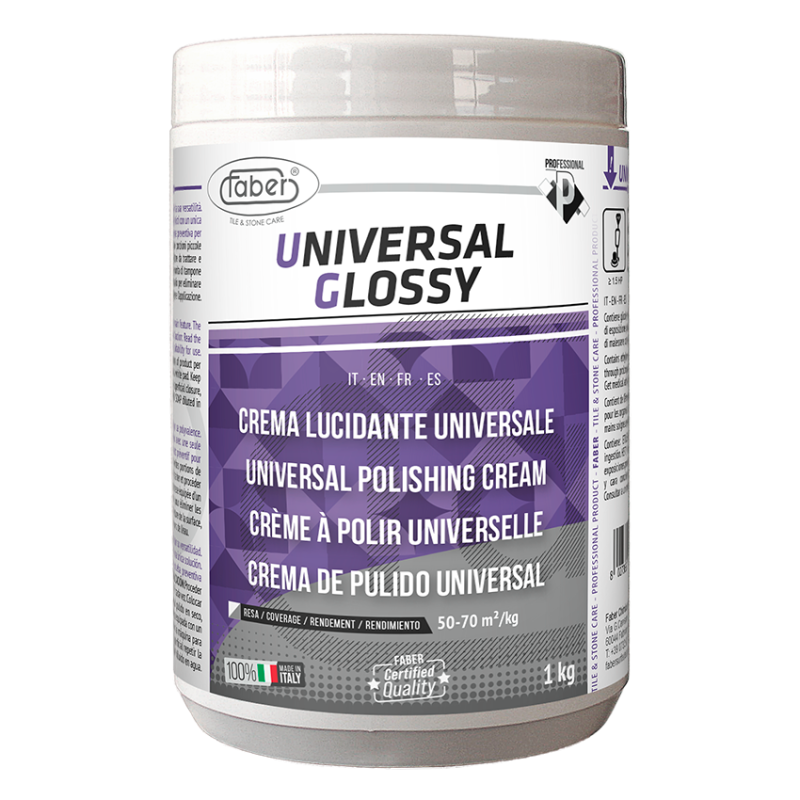
| Universal Glossy | Water-based polishing cream | All natural stone | 50–70 m² per kg |
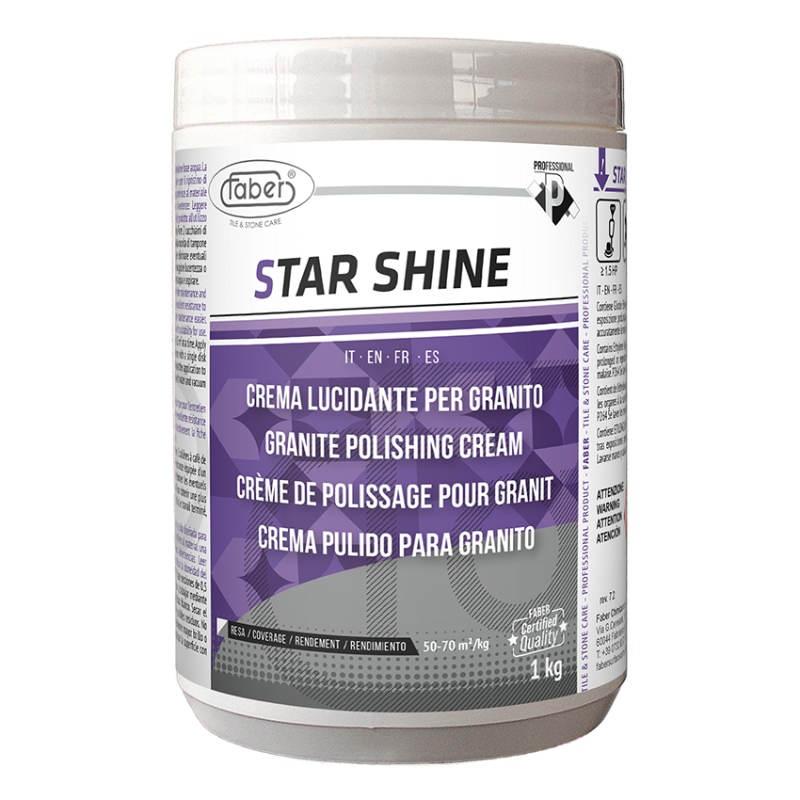
| Star Shine | Polishing cream that seals porosity | Granite | 50–70 m² per kg |
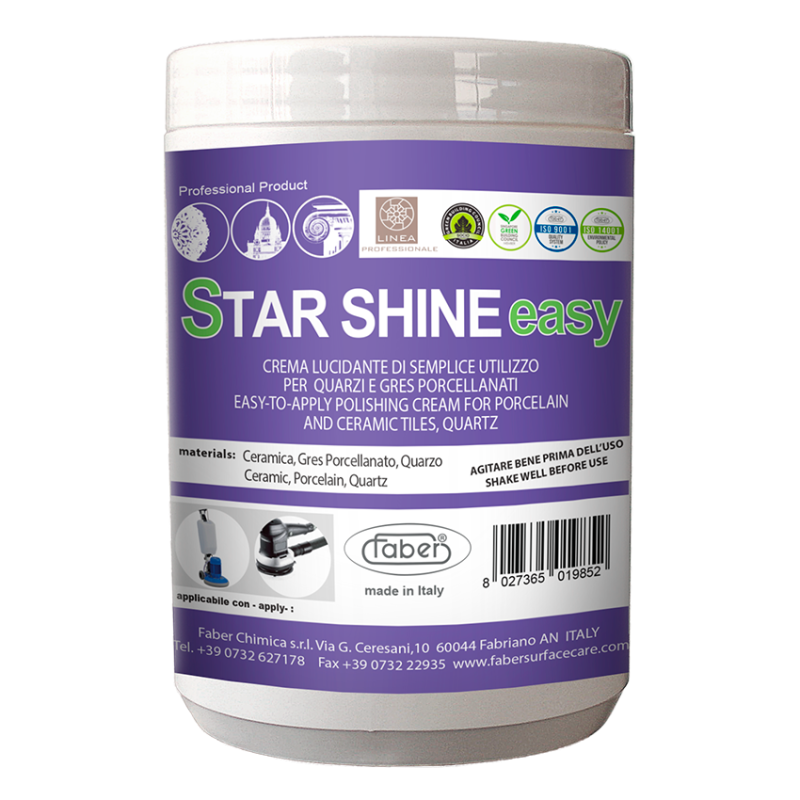
| Star Shine Easy | Polishing cream | Ceramic, porcelain and quartz | 50–70 m² per kg |
| Lux One | Self-polishing resin, by hand | Edges, corners and columns | 15–25 m² per litre |
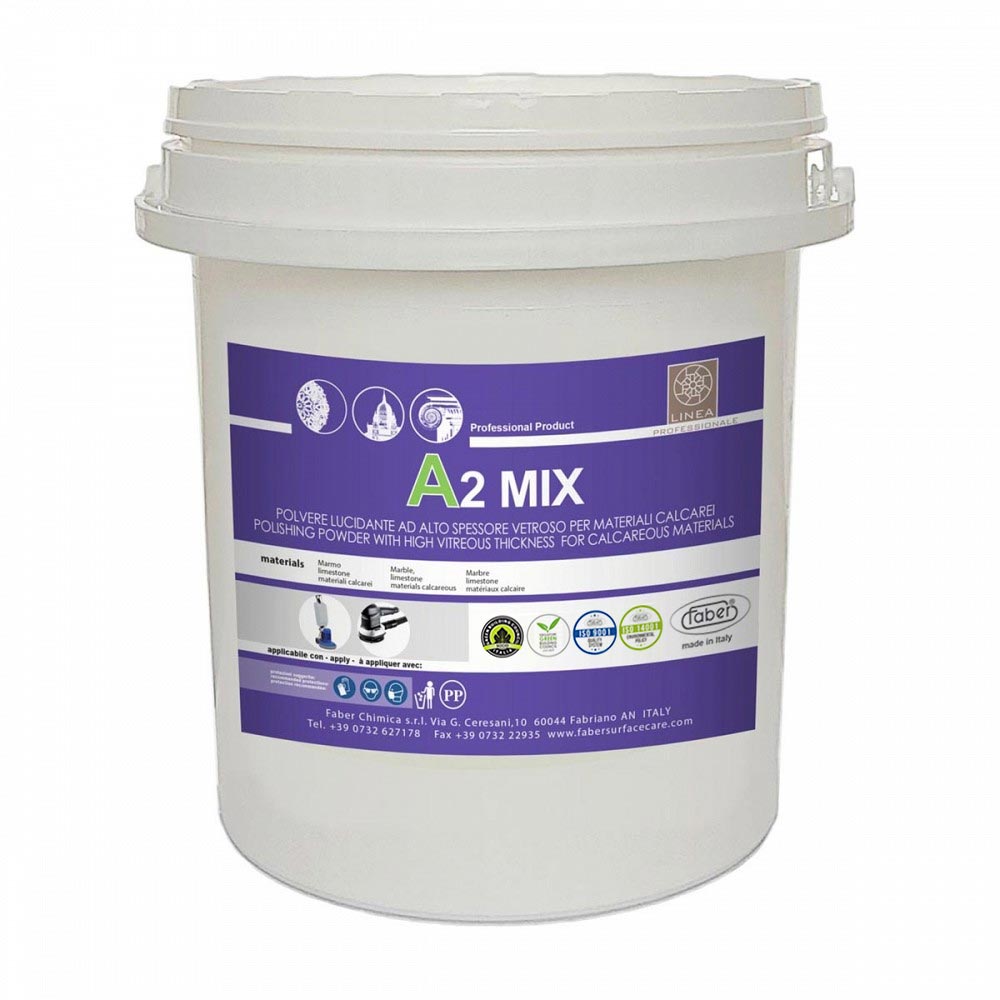
| A1 Grey, A1 Yellow, A2 Mix | Polishing powders | Delicate and acid-sensitive marble | As on the data sheet |
How often?
Crystallising is quicker and cheaper per session, so busy floors such as hotel lobbies are often crystallised every few months, with full polishing only when scratches build up. Homes need it far less often.
Coverage and dilution figures are from the Faber Italy technical data sheets. Always test on a small hidden area first.
WhatsApp us a photo of the surface Call +91 87792 40420
Frequently asked questions
What is the difference between marble polishing and crystallisation?
Polishing removes a very thin layer of stone with fine abrasives to take out scratches and etch marks. Crystallisation uses a chemical reaction to harden the surface and give a glass-like shine without removing stone.
How do I know which one my floor needs?
Run your hand over the dull area. If you can feel scratches or rough patches, it needs polishing. If it feels smooth but looks flat, crystallisation is usually enough.
How do I polish granite?
Use a polishing cream made for granite, such as Star Shine, which also seals the granite porosity. Marble crystallisers are not for granite.
How much polishing powder or crystalliser do I need?
Crystallisers such as Cristalfab and FK2 cover 50 to 70 m² per kg; A3 Yellow covers 40 to 50 m² per kg for polishing. Use the coverage calculator above.
Can vitrified or porcelain tiles be re-polished?
Yes. Star Shine Easy is a polishing cream for ceramic, porcelain and quartz surfaces.
